Archives
- 2026-06
- 2026-05
- 2026-04
- 2026-03
- 2026-02
- 2026-01
- 2025-12
- 2025-11
- 2025-10
- 2025-09
- 2025-03
- 2025-02
- 2025-01
- 2024-12
- 2024-11
- 2024-10
- 2024-09
- 2024-08
- 2024-07
- 2024-06
- 2024-05
- 2024-04
- 2024-03
- 2024-02
- 2024-01
- 2023-12
- 2023-11
- 2023-10
- 2023-09
- 2023-08
- 2023-07
- 2023-06
- 2023-05
- 2023-04
- 2023-03
- 2023-02
- 2023-01
- 2022-12
- 2022-11
- 2022-10
- 2022-09
- 2022-08
- 2022-07
- 2022-06
- 2022-05
- 2022-04
- 2022-03
- 2022-02
- 2022-01
- 2021-12
- 2021-11
- 2021-10
- 2021-09
- 2021-08
- 2021-07
- 2021-06
- 2021-05
- 2021-04
- 2021-03
- 2021-02
- 2021-01
- 2020-12
- 2020-11
- 2020-10
- 2020-09
- 2020-08
- 2020-07
- 2020-06
- 2020-05
- 2020-04
- 2020-03
- 2020-02
- 2020-01
- 2019-12
- 2019-11
- 2019-10
- 2019-09
- 2019-08
- 2019-07
- 2019-06
- 2019-05
- 2019-04
- 2018-07
-
br Materials and methods br Results br
2022-04-12
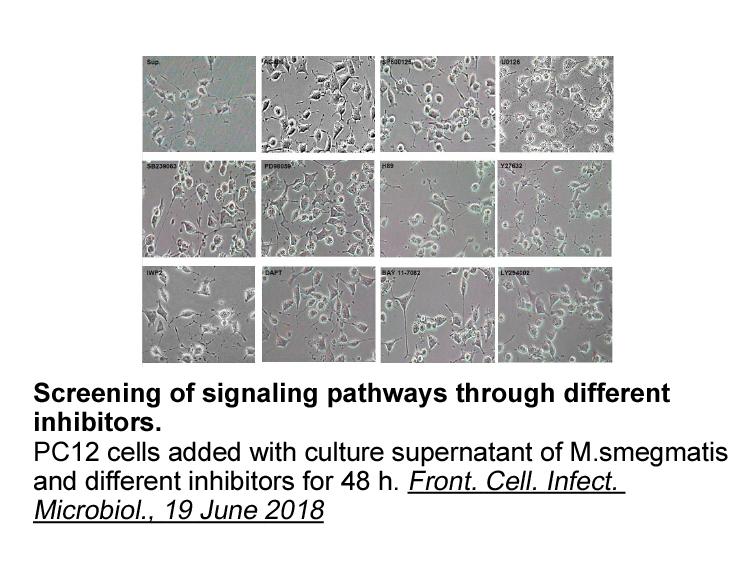
Materials and methods Results Discussion The redox domain that spans the region between amino Estradiol Cypionate receptor positions 35 and 127 of the major human AP endonuclease, APE1, regulates the sequence-specific DNA binding of various transcription factors [[52], [85]]. The existent c
-
Several groups studied CTD mouse models which
2022-04-12
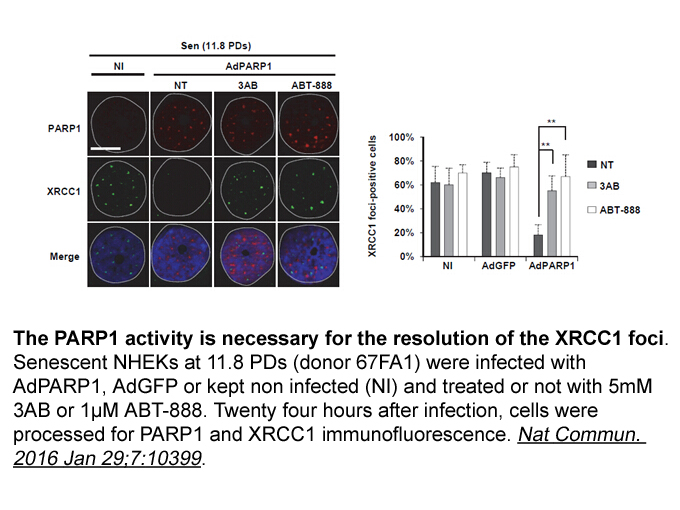
Several groups studied CTD mouse models, which largely mimicked the symptoms (i.e. impaired cognition and autistic-like behaviour) of the human disease (Kurosawa et al., 2012; Baroncelli et al., 2016; Stockebrand, 2018). The CRT-1 knockout mice showed a drastic deterioration in the GABAergic system,
-
The need for an inflammatory
2022-04-12
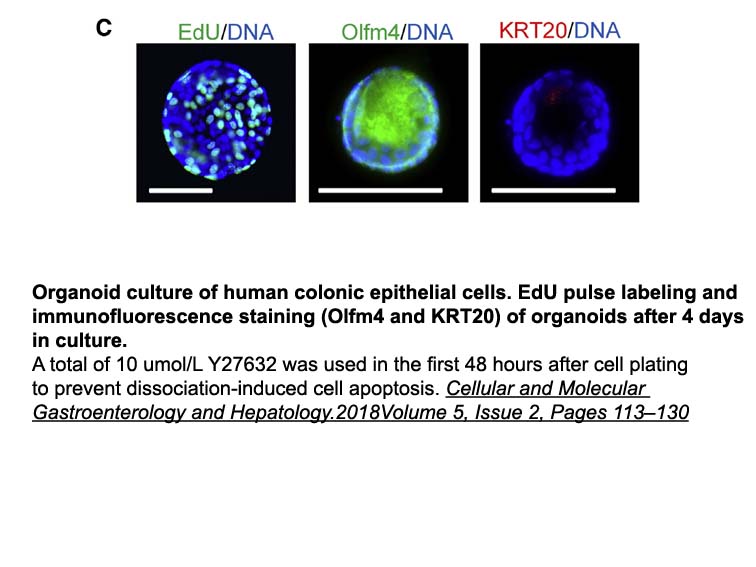
The need for an ‘inflammatory risk profile’ was recently discussed by several investigators. The present study is all the more significant in that it shows that a phenomenon that is influenced by various atherosclerotic risk factors and acute phase proteins is, indeed, associated with a less favorab
-
Instead our results reveal that autophagy controls the membr
2022-04-12
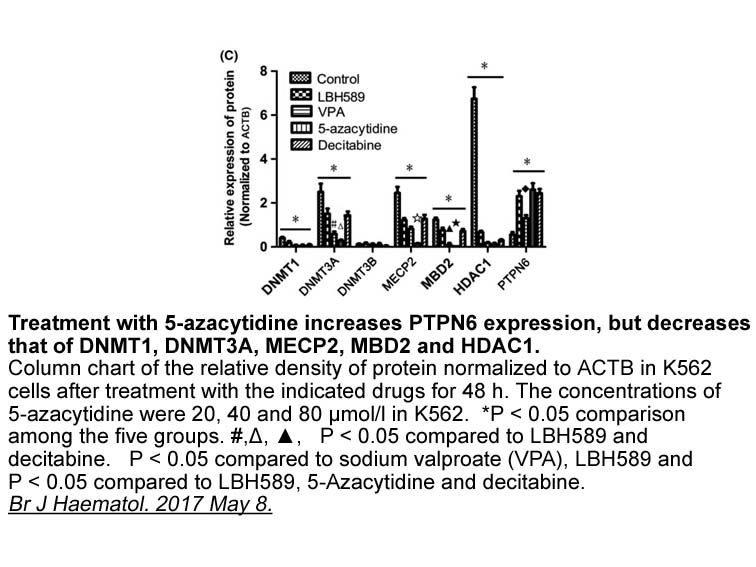
Instead, our results reveal that autophagy controls the membrane association of the cargo-selective SNX-BAR retromer assembly (comprised of the VPS35/29/26 trimer in association with SNX1/2 and SNX5/6), which has been demonstrated to promote GLUT1 surface recycling. Accordingly, GLUT1 localization i
-
The patterns of Fig Fig emerge at the multicellular
2022-04-12
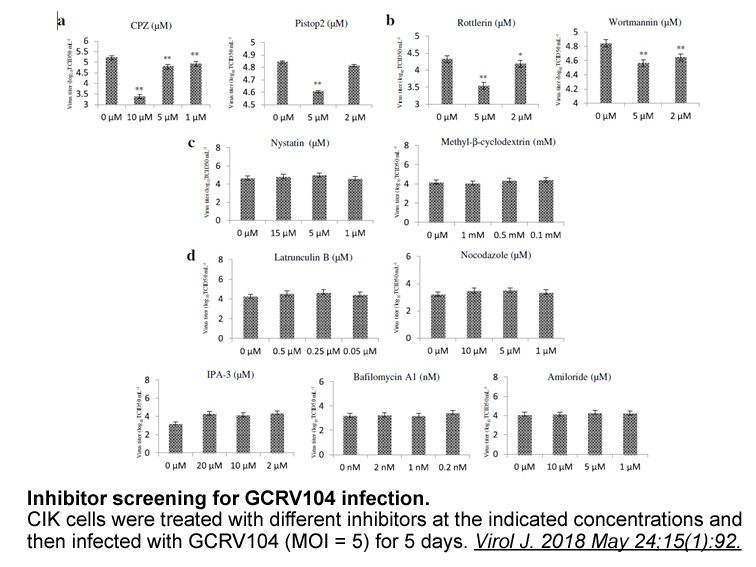
The patterns of Fig. 1, Fig. 2 emerge at the multicellular level; their dynamics can only be understood by integrating different magnitudes and feedback loops in networks incorporating the coupling between biochemical and bioelectrical signals (see Fig. 6, Fig. 8). Interestingly, this might also be
-
The GH family has potential applications in
2022-04-12
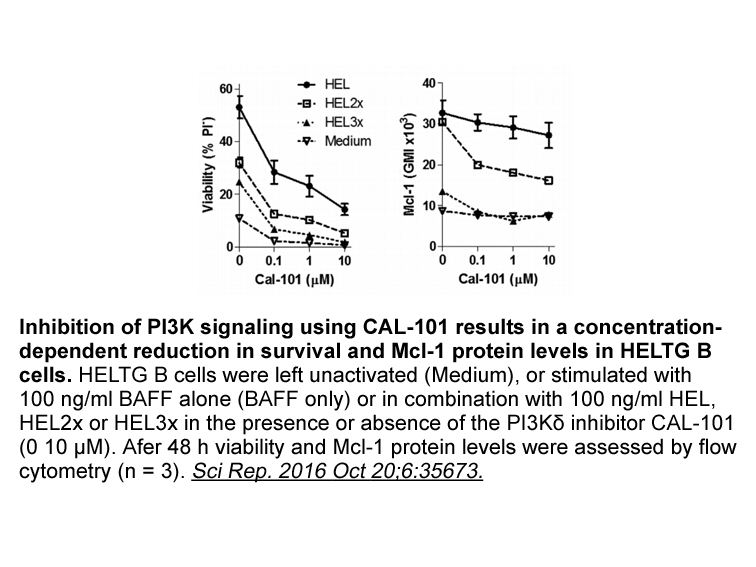
The GH family has potential applications in various industries. A putative ORF encoding α-galactosidase, namely GalR, with a low identical match and e-value and high query coverage in the metagenome was selected because it demonstrated considerable activity. GalR shared 65% identity with the GH 27 p
-
We hypothesize that HBO increases GABA activity
2022-04-12
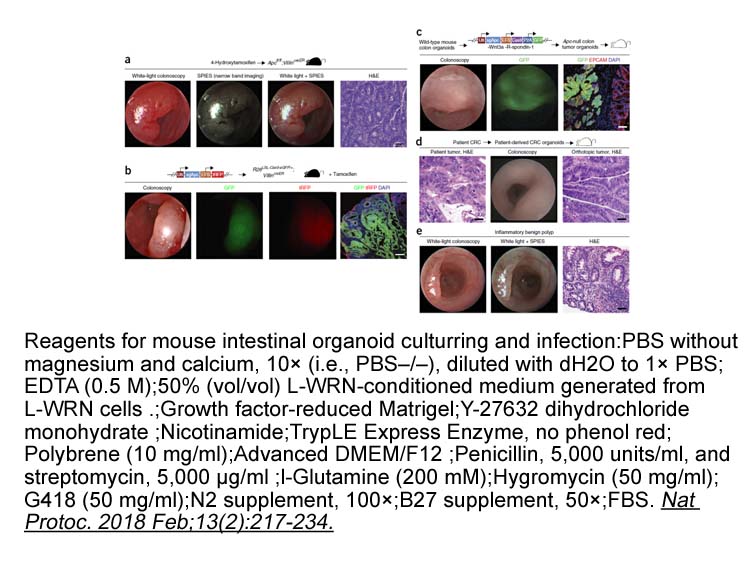
We hypothesize that HBO2 increases GABA activity at the GABAA receptor via a nitric oxide dependent mechanism. Blotting for the phosphorylated β3 subunit of the GABAA receptor should theoretically be increased when there is more GABA activity at the receptor (McDonald et al., 1998). We expected that
-
366 2 australia The other type of cell death that occurs in
2022-04-11
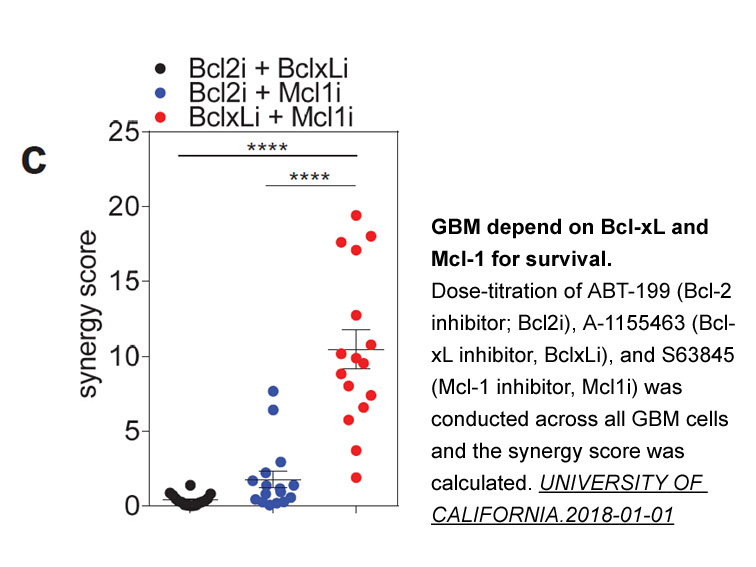
The other type of cell death that occurs in activated T 366 2 australia is caused by growth factor withdrawal following TCR-mediated activation, whereby most of the activated T cells die by apoptosis following the eradication of bacteria during an acute infection in order to reduce the level of cyt
-
br Materials and methods Patients charts were reviewed retro
2022-04-11
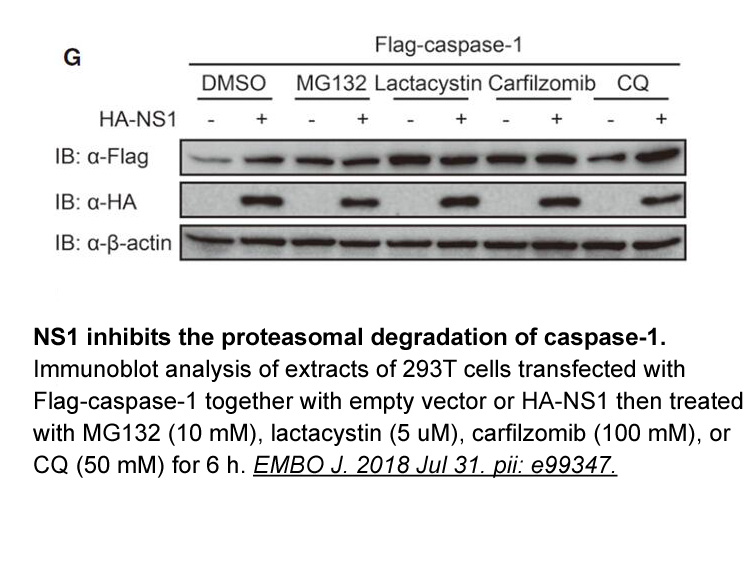
Materials and methods Patients’ charts were reviewed retrospectively, and 165 consecutive patients (82 with cancer and 83 without cancer) who either started edoxaban (Lixiana®, Daiichi-Sankyo, Tokyo, Japan) therapy for the treatment of VTE or were switched from other oral anticoagulants to edoxab
-
Histone modification is one of the
2022-04-11
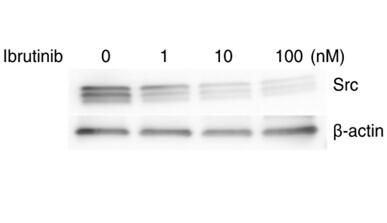
Histone modification is one of the major epigenetic mechanisms.8, 10 Specific histone modifications confer active or repressive transcriptional states. For instance, the trimethylation of Histone3-Lysine27 (H3K27me3) is a marker of tightly packaged heterochromatin and is associated with gene repress
-
br Introduction Currently HIV infection treatment
2022-04-11
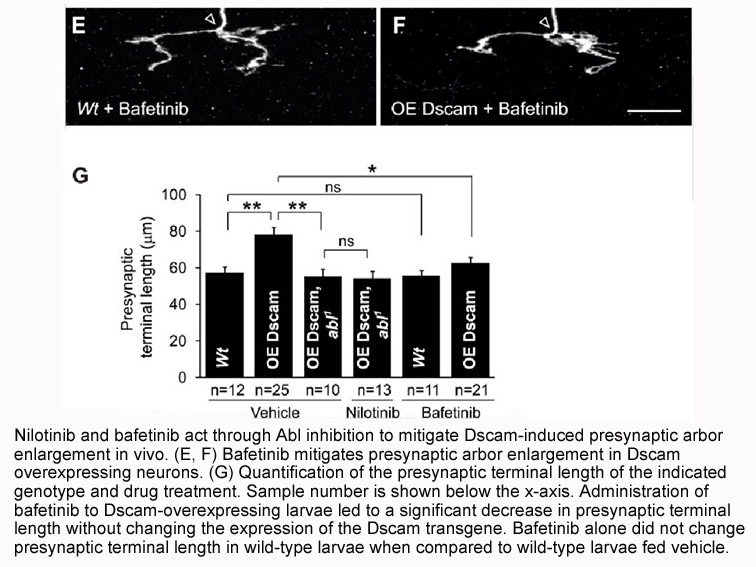
Introduction Currently, HIV-1 infection treatment guidelines adopted in USA and EU provide for the simultaneous administration of three antiretroviral drugs (HAART “Highly Active Anti-Retroviral Therapy”) in severely compromised patients [[1], [2], [3]]. Coupling at least two different mechanisms
-
This profound cell type specificity of G a GLP complex
2022-04-11
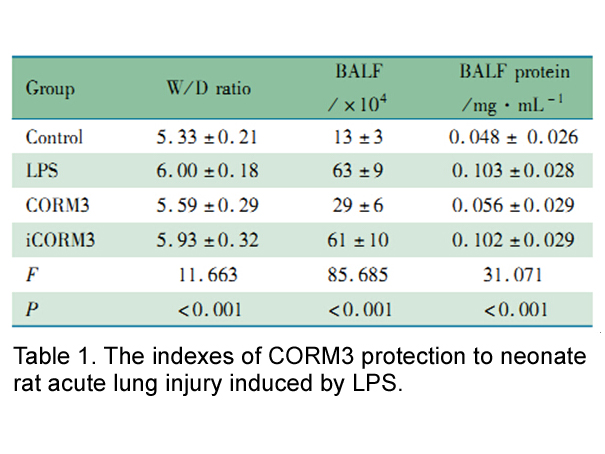
This profound cell-type specificity of G9a/GLP complex modulation of neuronal plasticity is accentuated by studies employing genetic ablation of G9a in dopamine 1 receptor (Drd1)- and dopamine 2 receptor (Drd2)-expressing medium spiny neurons (MSNs) in the nucleus accumbens (NAc). Conditional G9a kn
-
br Discussion The aim of the
2022-04-11
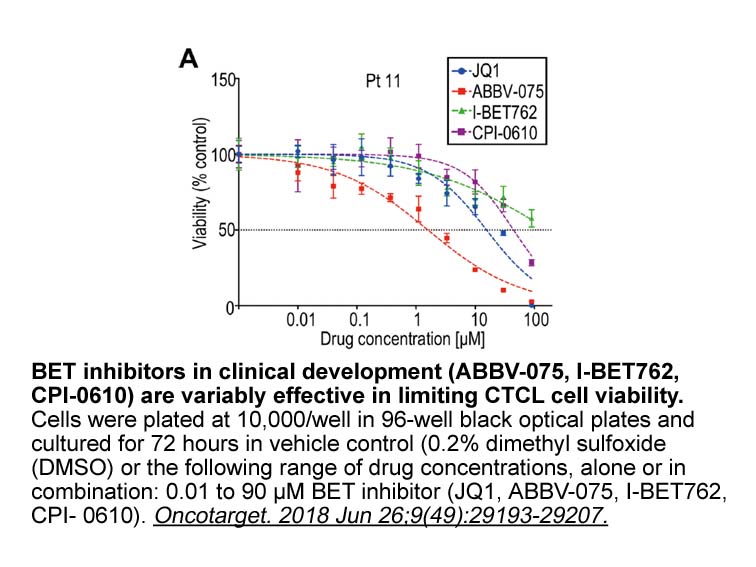
Discussion The aim of the present study was to extend the list of ASIC ligands and to check if histamine receptors ligands can also affect ASICs. The novel finding is that not only histamine but also thioperamide, 1-metylhistamine and Nα-methylhistamine are active ASIC1a potentiators, while other
-
br Hippo pathway signalling The Hippo pathway
2022-04-11
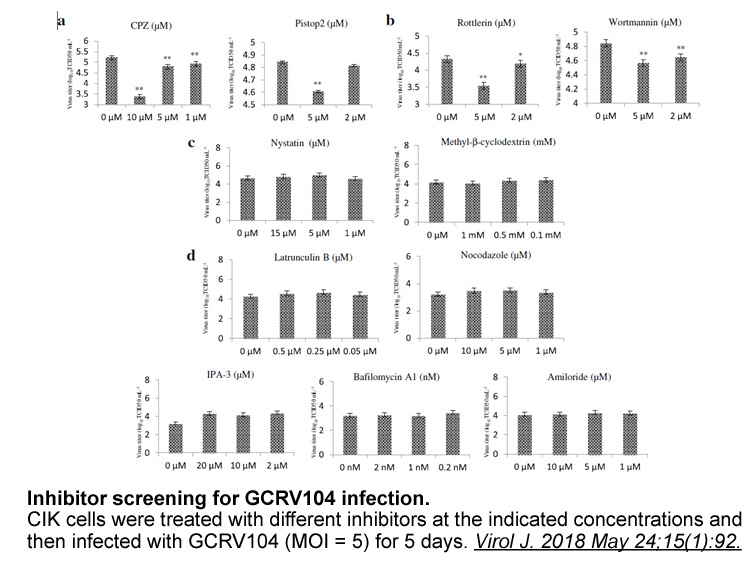
Hippo pathway signalling The Hippo pathway is an evolutionarily conserved signal transduction pathway regulated by cell-cell contact, cell polarity, mechanical cues, ligands of G-protein coupled receptors, and cellular punicalagin synthesis status [10]. This pathway is linked to development, cel
-
In the adult normal spinal
2022-04-11

In the adult normal spinal cord, the resident cells mainly include neurons, astrocytes, oligodendroglia and microglia (Lecca et al., 2012, Miyagi et al., 2012). After SCI, the lesion microenvironment is complex, which includes the functional changes of CNS resident cells and the infiltration of leuk
16373 records 502/1092 page Previous Next First page 上5页 501502503504505 下5页 Last page