Archives
- 2026-06
- 2026-05
- 2026-04
- 2026-03
- 2026-02
- 2026-01
- 2025-12
- 2025-11
- 2025-10
- 2025-09
- 2025-03
- 2025-02
- 2025-01
- 2024-12
- 2024-11
- 2024-10
- 2024-09
- 2024-08
- 2024-07
- 2024-06
- 2024-05
- 2024-04
- 2024-03
- 2024-02
- 2024-01
- 2023-12
- 2023-11
- 2023-10
- 2023-09
- 2023-08
- 2023-07
- 2023-06
- 2023-05
- 2023-04
- 2023-03
- 2023-02
- 2023-01
- 2022-12
- 2022-11
- 2022-10
- 2022-09
- 2022-08
- 2022-07
- 2022-06
- 2022-05
- 2022-04
- 2022-03
- 2022-02
- 2022-01
- 2021-12
- 2021-11
- 2021-10
- 2021-09
- 2021-08
- 2021-07
- 2021-06
- 2021-05
- 2021-04
- 2021-03
- 2021-02
- 2021-01
- 2020-12
- 2020-11
- 2020-10
- 2020-09
- 2020-08
- 2020-07
- 2020-06
- 2020-05
- 2020-04
- 2020-03
- 2020-02
- 2020-01
- 2019-12
- 2019-11
- 2019-10
- 2019-09
- 2019-08
- 2019-07
- 2019-06
- 2019-05
- 2019-04
- 2018-07
-
Studies of human and mouse GPR as ascertained by mRNA
2022-05-07
Studies of human and mouse GPR84, as ascertained by mRNA levels in various tissues, have determined that GPR84 is highly expressed on bone marrow cells, splenic T and B cells, and circulating granulocytes/monocytes/macrophages. In the latter cells, mRNA expression of is up-regulated only under infl
-
PLX7904 mg br Visualizing single synaptic vesicle exocytosis
2022-05-06
Visualizing single synaptic vesicle PLX7904 mg at CNS synapses We visualized the dynamics of individual synaptic vesicles as they fuse and immediately before fusion at the mammalian conventional synapses for the first time (Midorikawa and Sakaba, 2015). We use a calyx of Held terminal, a large pr
-
br Materials and methods br Results br Discussion This
2022-05-06
Materials and methods Results Discussion This was the first large study to quantify both total HIV DNA and integrated HIV DNA, which is the main persistent form of HIV [25,26], in samples collected during PHI, chronic infection, and at various time points until the AIDS stage, which was mad
-
At baseline Hdc KO mice have alterations in the examined
2022-05-06
At baseline, Hdc-KO mice have alterations in the examined signaling cascades that resemble those seen in WT mice after RAMH challenge. Specifically, Carbamazepine of MSK1 at T581 and of rpS6 ad S235/236 are elevated in dMSNs to a similar extent after saline in KO mice and after RAMH challenge in WT
-
9-AC australia br Conclusion Our data allow pharmacological
2022-05-06
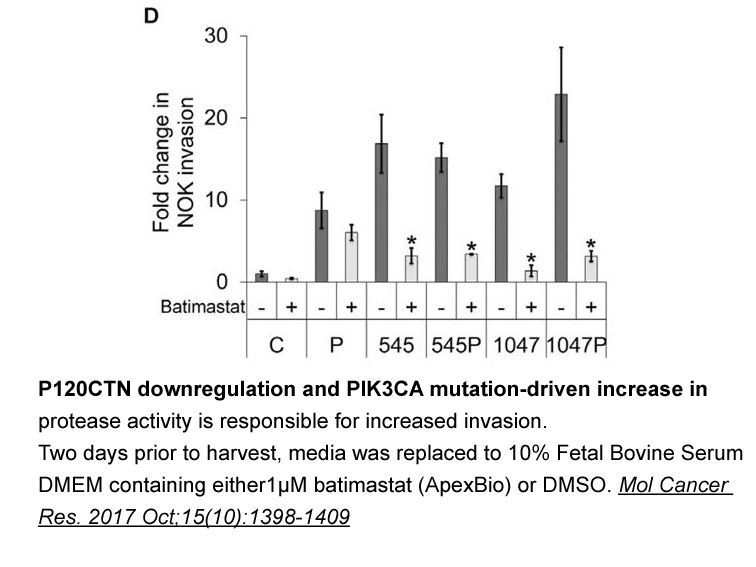
Conclusion Our data allow pharmacological discrimination of diverse of H3 9-AC australia antagonists that can be linked to their differential efficacy in preclinical and clinical disease settings (Fig. 6). Moreover, we identify the sigma-1 receptor as a common “off target” for H3 antagonists, an
-
br Results br Discussion In this study we
2022-05-06
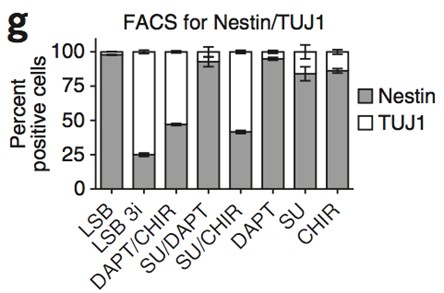
Results Discussion In this study, we found that ZNF280A was elevated in CRC tissues and a high expression of ZNF280A correlated with advanced clinicopathological features, poor prognosis, and disease progression in CRC patients. Furthermore, silencing ZNF280A attenuated proliferation and inhib
-
It is difficult however to assure
2022-05-06
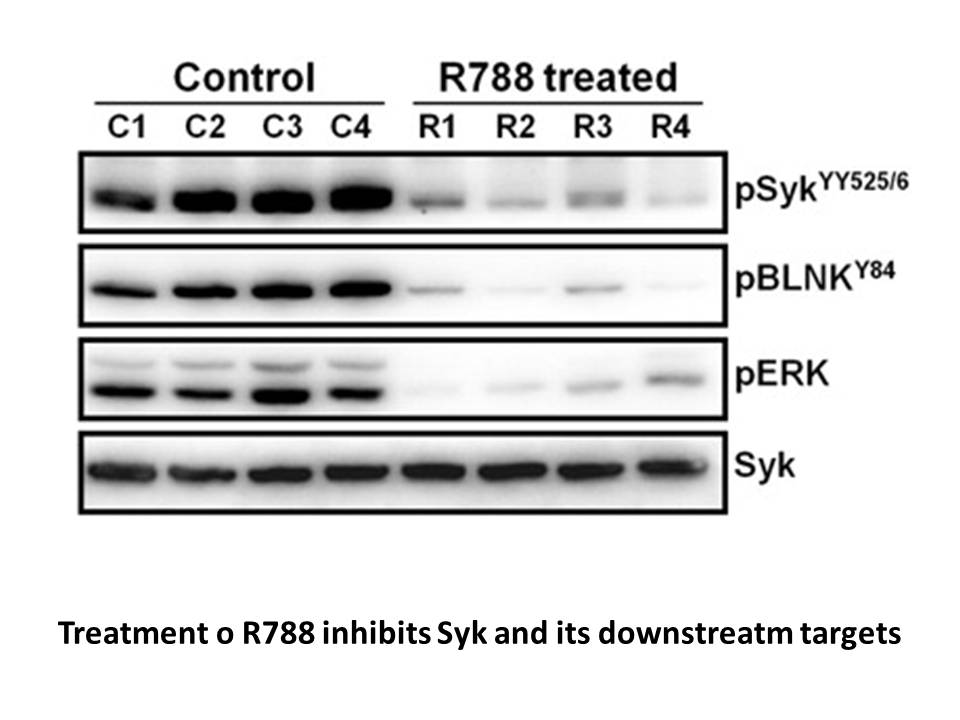
It is difficult, however, to assure that observed alterations of pro-oxidant/antioxidant levels within the studied organisms are related directly to heavy metal pollution, rather than to other accompanying environmental stressors. Environmental factors like oxygen partial pressure, temperature, sali
-
Receptor guanylyl cyclases play essential roles in cardiovas
2022-05-06
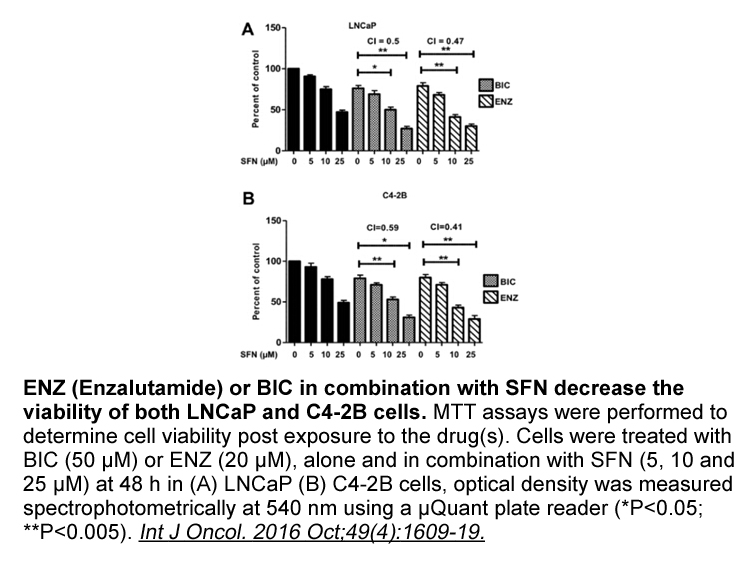
Receptor guanylyl cyclases play essential roles in cardiovascular and gastrointestinal (patho-)physiology, reproduction biology, cell proliferation, bone growth and sensory signal transduction and, therefore, are important pharmacological targets. Accordingly, the receptor guanylyl cyclase agonists
-
In summary we obtained and type
2022-05-06
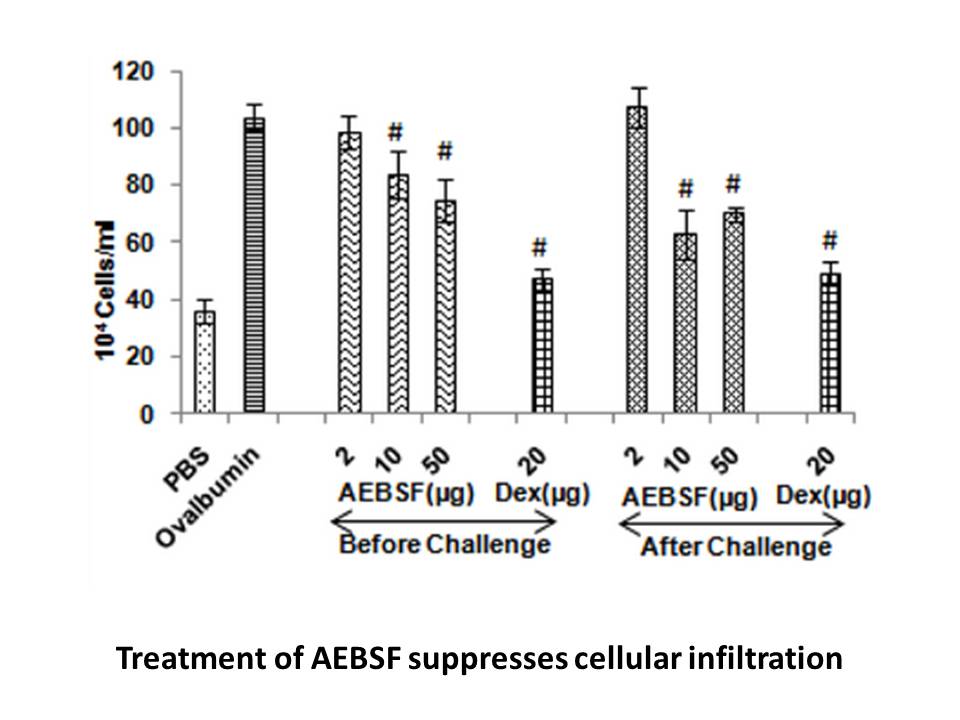
In summary, we obtained - and -type of linaclotide by protein chemical synthesis and acquired the X-ray crystal structure of linaclotide for the first time through racemic crystallization technique. The structure of linaclotide forms a compact spatial structure containing three- turns through three
-
We observed that the Toc G domain recognizes the N
2022-05-06
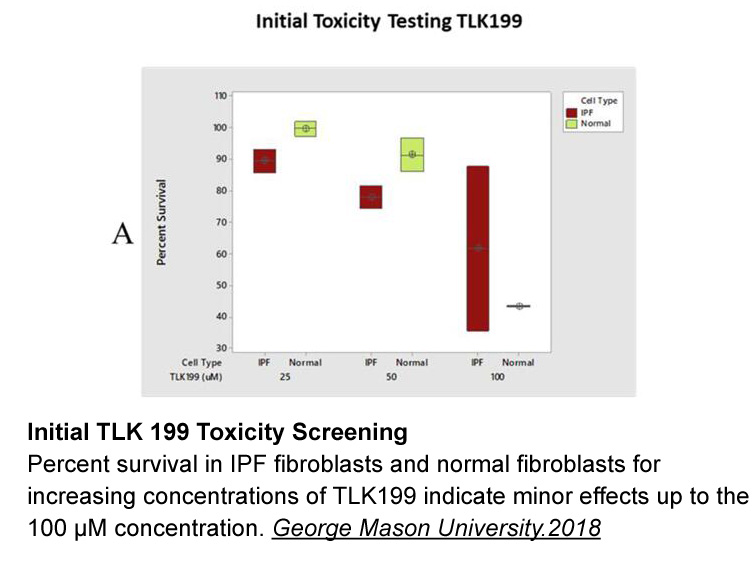
We observed that the Toc159G domain recognizes the N-terminal portion of the transit peptide of pSSU with a dissociation constant of 70 μM (Fig. 2; Table 1), while a tenfold higher KD was obtained for the phosphorylated C-terminal region. In turn, the homodimer of Toc34G recognizes the phosphorylate
-
Due to the high structural
2022-05-06
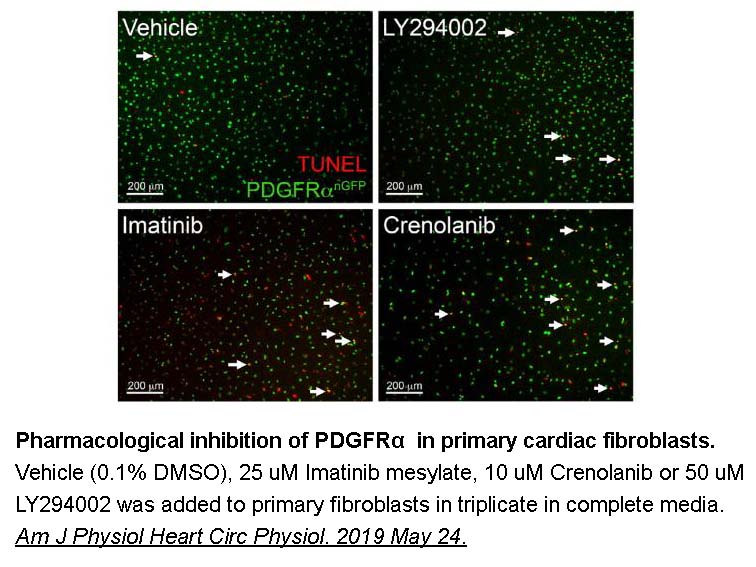
Due to the high structural similarity between GlxI and FosA, it is possible that GlxI directed evolution experiments could produce FosA enzymatic activity in a GlxI enzyme. Although the current investigation was unable to detect FosA activity by mutation of a key metal liganding residue in the activ
-
The following are the supplementary data related to this art
2022-05-06
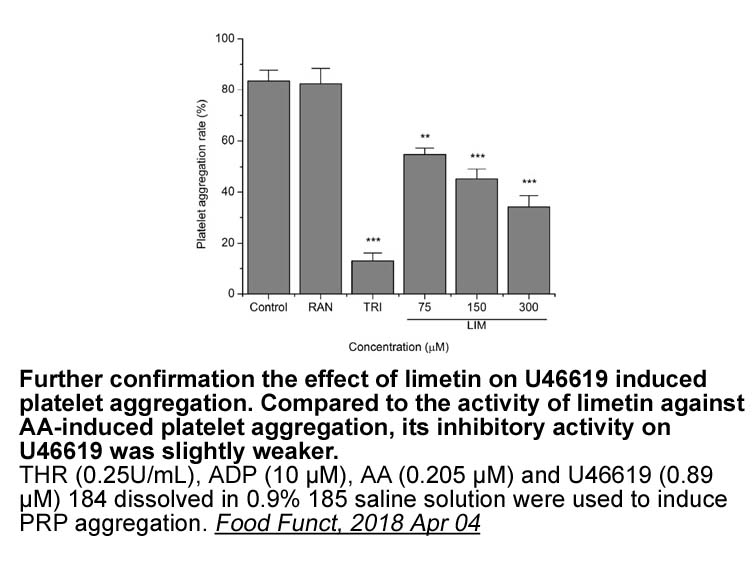
The following are the supplementary data related to this article. Author contribution Conflict of interest Introduction Thrombosis (arterial and venous) is a major cause of vascular obstructive diseases including myocardial infarction, cerebral infarction and pulmonary embolism. Glycoprote
-
br Discussion The GlyR is responsible for
2022-05-06

Discussion The GlyR is responsible for mediating much of the neuronal inhibition in the brainstem and spinal cord, although these receptors are also found in a number of higher brain regions (Baer et al., 2009, Jonsson et al., 2012, Jonsson et al., 2009, Lynch, 2004). A variety of structurally-di
-
LbGlcK crystallized as a ligandless dimer in the
2022-05-05
LbGlcK crystallized as a ligandless dimer in the asymmetric unit of space group P21 (Fig. 1a) with two identical subunits stabilized by a large contact surface area of 2295 Å2 (13% of the total surface area) as determined by the Protein Interfaces, Surfaces, and Assemblies (PISA) server [18]. Each m
-
After the origin of the family of
2022-05-05

After the origin of the family of genes for receptors for peptides similar to glucagon, the genes have not remained static. Not only have their sequences evolved, but also like peptides similar to glucagon (Irwin, 2001, Irwin, 2009, Irwin, 2012, Ng et al., 2010, Hwang et al., 2013), the numbers of g
16372 records 490/1092 page Previous Next First page 上5页 486487488489490 下5页 Last page