Archives
- 2026-06
- 2026-05
- 2026-04
- 2026-03
- 2026-02
- 2026-01
- 2025-12
- 2025-11
- 2025-10
- 2025-09
- 2025-03
- 2025-02
- 2025-01
- 2024-12
- 2024-11
- 2024-10
- 2024-09
- 2024-08
- 2024-07
- 2024-06
- 2024-05
- 2024-04
- 2024-03
- 2024-02
- 2024-01
- 2023-12
- 2023-11
- 2023-10
- 2023-09
- 2023-08
- 2023-07
- 2023-06
- 2023-05
- 2023-04
- 2023-03
- 2023-02
- 2023-01
- 2022-12
- 2022-11
- 2022-10
- 2022-09
- 2022-08
- 2022-07
- 2022-06
- 2022-05
- 2022-04
- 2022-03
- 2022-02
- 2022-01
- 2021-12
- 2021-11
- 2021-10
- 2021-09
- 2021-08
- 2021-07
- 2021-06
- 2021-05
- 2021-04
- 2021-03
- 2021-02
- 2021-01
- 2020-12
- 2020-11
- 2020-10
- 2020-09
- 2020-08
- 2020-07
- 2020-06
- 2020-05
- 2020-04
- 2020-03
- 2020-02
- 2020-01
- 2019-12
- 2019-11
- 2019-10
- 2019-09
- 2019-08
- 2019-07
- 2019-06
- 2019-05
- 2019-04
- 2018-07
-
This project was funded by
2023-10-03
This project was funded by the University of the Philippines Diliman through the Natural Sciences Research Institute with grant No. CHE-09-2-02. Introduction There is compelling evidence for an anti-inflammatory effect of 12- and 15-lipoxygenases through the generation of lipid mediators involve
-
Although several different membrane estrogen receptors
2023-10-03
Although several different membrane estrogen receptors have been reported (Qiu et al., 2008; Revankar et al., 2005), a large percentage of membrane-initiated steroid hormone signaling appears to be performed by a subpopulation of the same receptors that act in the nucleus. Specifically, estrogen rec
-
The R pycnus arginase was identical to
2023-10-03
The R. pycnus arginase was 65% identical to the published B. caldovelox arginase sequence (AAB06939). Furthermore, the R. pycnus arginase gene was 62%, 45%, 36% and 22% identical to the published arginase sequences from Bacillus thuringiensis (AJI37018), Thermus thermophiles (WP_038039155), Human ar
-
Mechanistically it was soon realized that in undead
2023-10-01
Mechanistically, it was soon realized that in undead cells, Dronc promotes the activation of Jun-N-terminal kinase (JNK) signaling as the major inducer of AiP [25], [28] (Fig. 2B,C). However, it has been unknown for a long time how active Dronc promotes JNK signaling. Recently, it was reported that
-
br Antifungal resistance what is
2023-10-01
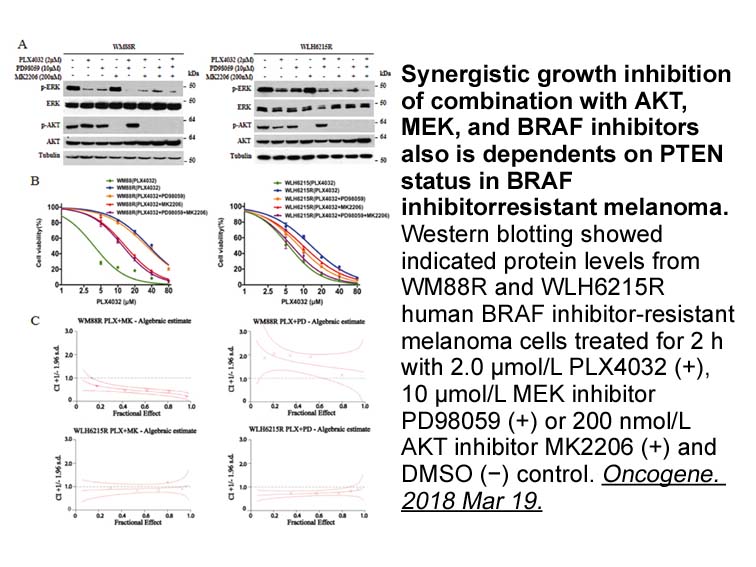
Antifungal resistance, what is in a name? Antifungal resistance is an emerging and hot topic in the field of medical mycology. Microbiological resistance is identified by determining minimal inhibitory concentrations (MICs) in vitro for a given antifungal and interpreting this value according to
-
We find that the interaction of NSF and
2023-10-01
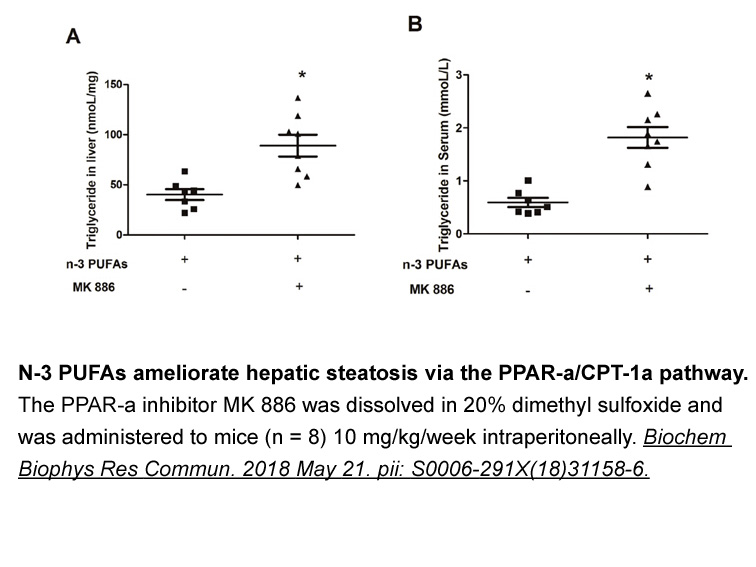
We find that the interaction of NSF and SNAP is critically involved in NMDAR-induced PICK1 unclustering. The binding of SNAP to NSF increases the ATPase activity of NSF, which is known to be essential for the unbinding of PICK1 from GluR2 (Hanley et al., 2002). Disruption of the association between
-
Although only Leu CysAP IRAP Herbest et al Keller
2023-10-01
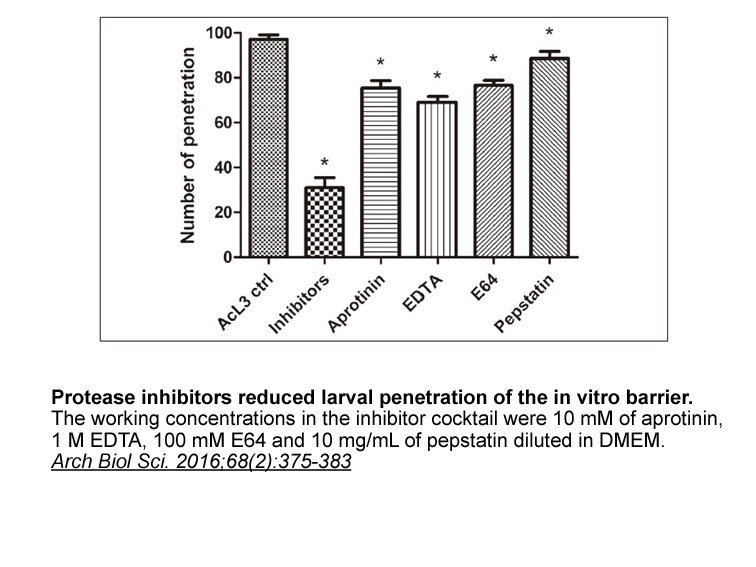
Although only Leu/CysAP (IRAP) (Herbest et al., 1997, Keller, 2004) and DPPIV (Alponti and Silveira, 2010, Kirino et al., 2009) had been identified and studied in adipocytes, our kinetic analysis suggested the highest physiological significance for AspAP (highest affinity) and APM and PSA (highest e
-
br Discussion Missense mutations transversions of
2023-10-01

Discussion Missense mutations (transversions) of the first nucleotide of the phenylalanine Quetiapine at position 1174 (F1174) of the anaplastic lymphoma kinase gene can result in substitutions to leucine or valine (F1174L/V) while missense mutation (transversion) of the second nucleotide of the
-
gpr40 agonist Within the PARP family TIPARP is most evolutio
2023-10-01
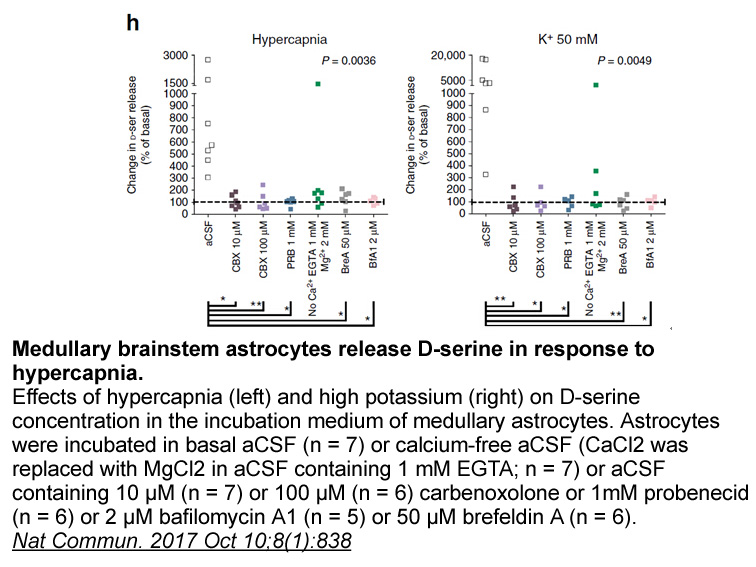
Within the PARP family, TIPARP is most evolutionarily conserved with PARP12 (ARTD12) and PARP13 (ARTD13) [27,28,41]. All three proteins contain at least one RNA-type CCCH zinc finger domain, a poly-ADP-ribose binding WWE domain and a PARP catalytic domain (Fig. 1). PARP13 is catalytically inactive,
-
br Aberrantly enhanced adenosine signaling in retina
2023-10-01
Aberrantly enhanced adenosine signaling in retina of oxygen-induced retinopathy Current therapeutic development of ROP focuses on directly targeting VEGF and HIF-1α signaling pathway (Cavallaro et al., 2014, Penn et al., 2008, Mintz-Hittner et al., 2011, Hartnett and Penn, 2012). However, cellula
-
Composite soil samples were transported to the laboratory
2023-10-01
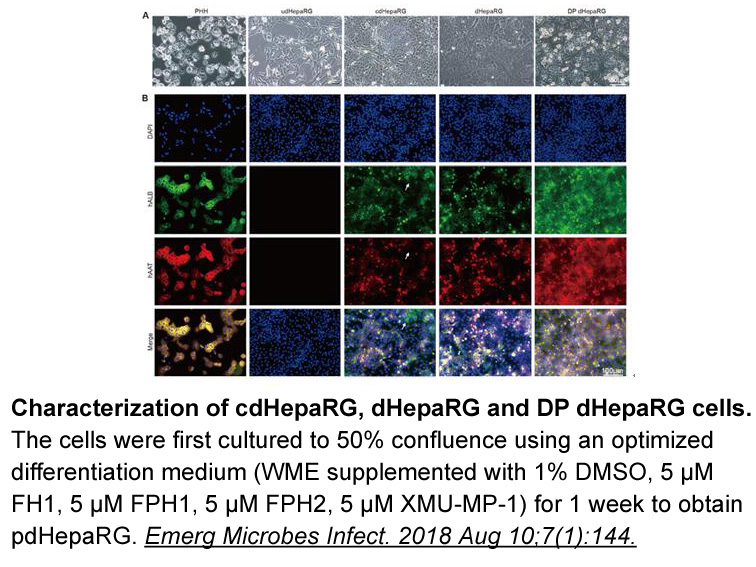
Composite soil samples were transported to the laboratory and then dried, crushed and passed through a 2mm sieve was. Sample digestion and release of elements method Sposito was performed [15]. Accordingly, taking into account soil moisture to 2g soil samples 12.5ml of nitric acid was added 4M. Samp
-
It is already established in the literature that
2023-10-01
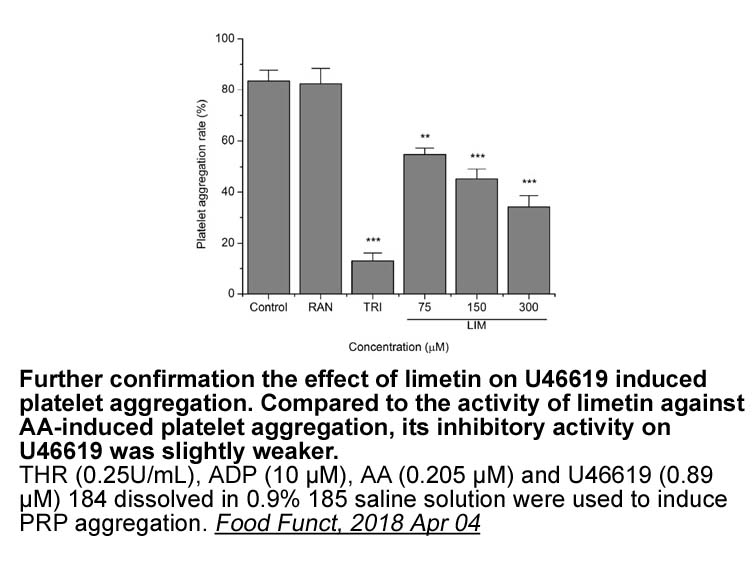
It is already established in the literature that products synthesized by 5-LO, such as lipoxin A4, can activate PPARγ in a setting of experimental stroke [43]. Interestingly, experiments using 5-LO knockout mice in an endotoxemia model to mimic septic conditions, demonstrated reduced multiple organ
-
br Discussion The measurement of gonadotropins FSH
2023-10-01

Discussion The measurement of Atorvastatin Calcium australia (FSH, LH) is critical in the evaluation and assessment of 46,XX females presenting with primary amenorrhea and lack of pubertal development. A serum level of FSH higher than 40 U/L is diagnostic of ovarian failure (6), as seen in the p
-
E6 Berbamine australia We found a protective effect of the G
2023-09-28
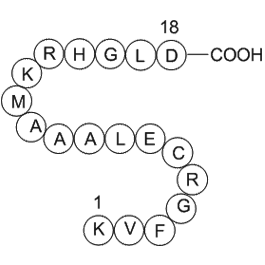
We found a protective effect of the GTCC haplotype against ED, which is reflected by its association with increased IIEF in patients with clinical ED. Further studies are required to determine the functional implications of these genetic markers combined in specific haplotypes blocks. Indeed, we fou
-
Apoptosis a major process of programmed cell
2023-09-28
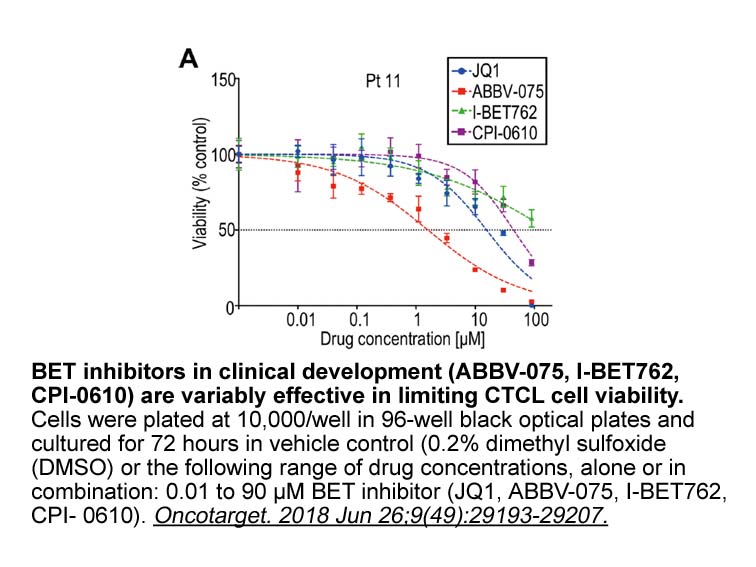
Apoptosis, a major process of programmed cell death, and in response to many chemopreventive agents (Jeyamohan et al., 2016). In general, two major signaling pathways control apoptosis, namely, a pathway mediated by cell death receptor and a pathway mediated by mitochondrion, and possible drug targe
16370 records 292/1092 page Previous Next First page 上5页 291292293294295 下5页 Last page